
Guidance for Parents and Professionals: Welcome to the www.manosphere.ch platform, an initiative of männer.ch
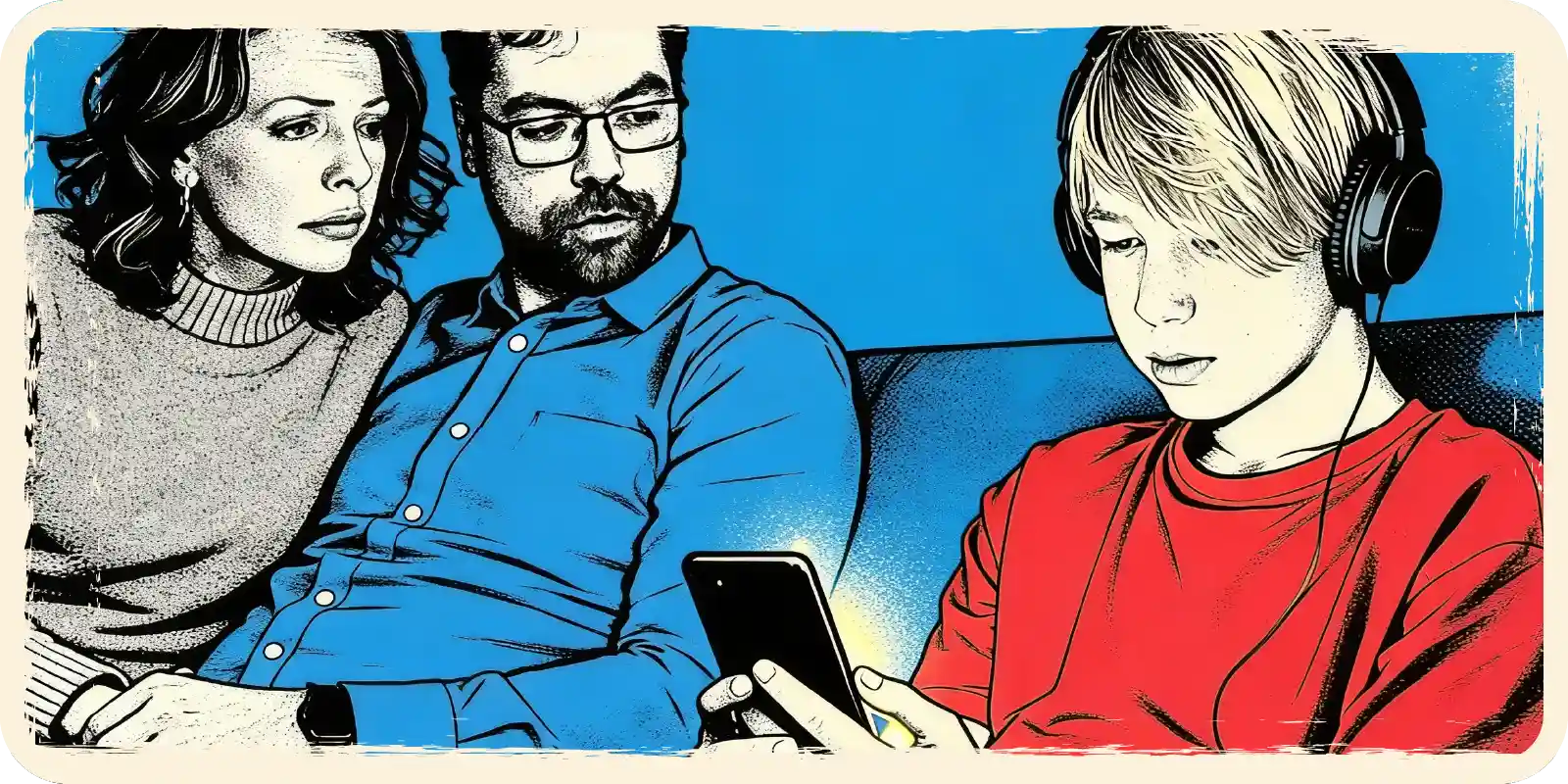
Boys need guidance as they grow into adulthood. When they adopt problematic masculinity narratives, this can provoke strong reactions in adults. It can also signal uncertainty and a search for orientation.
A central message for boys is this: manhood is open to shaping. There are many ways to be masculine.
The manosphere is a relatively recent phenomenon, and many aspects remain insufficiently researched. Clear-cut answers are therefore limited. What is clear, however, is that boys and young men need adults who engage with them openly and respectfully on questions of masculinity.
Exploring identity and testing boundaries are part of development. Not every interest in manosphere content leads to harmful attitudes or behaviour. At the same time, research suggests associations between sustained engagement with such narratives and the normalisation of sexist attitudes or, in some cases, the justification of violence.
A supportive approach combines calm engagement with clear boundaries. Boys should experience that their questions are taken seriously and that equality, respect and non-violence are non-negotiable.